
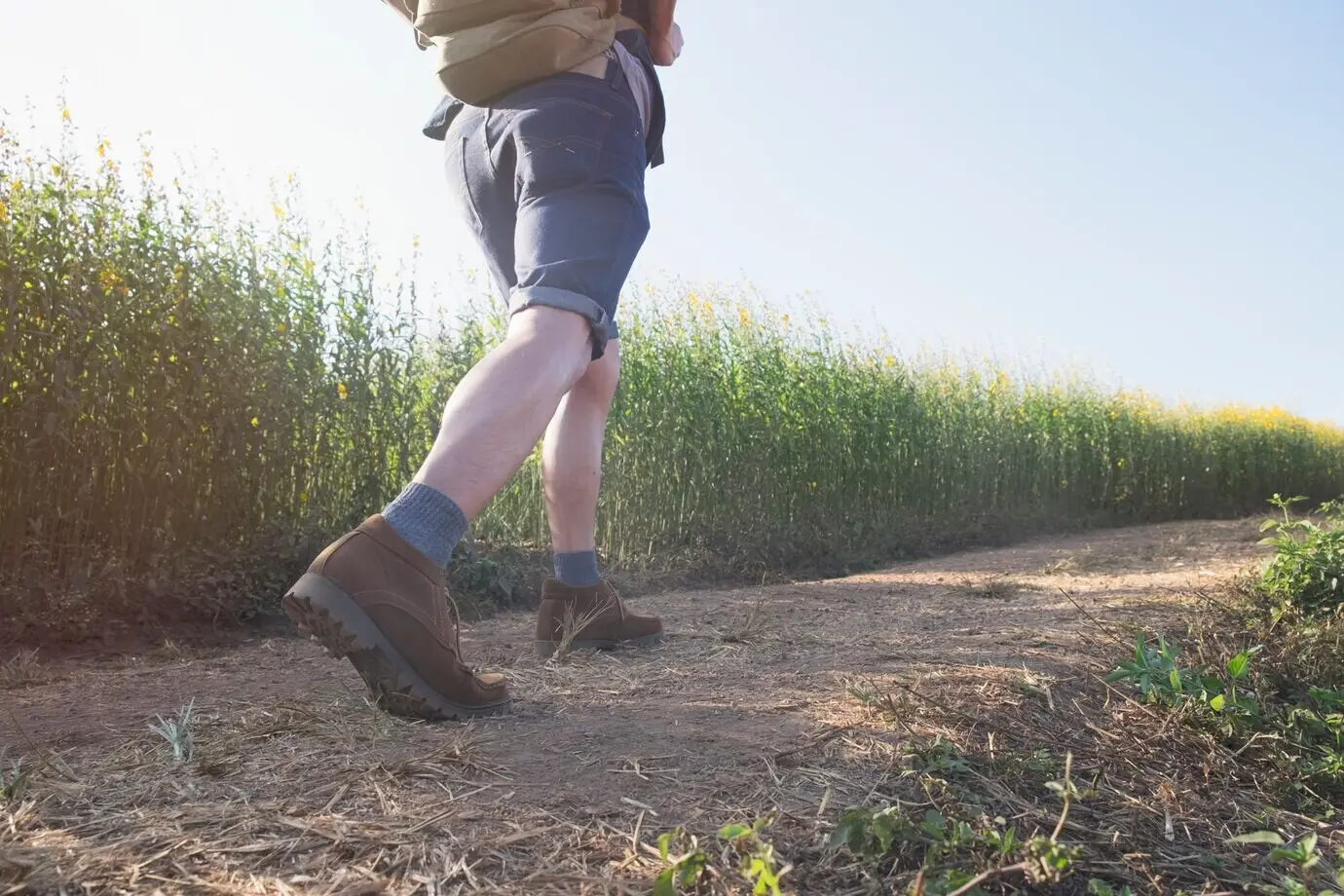
Lingering Lines Above the Treeline
Come wander where wind carves patient silhouettes and craft meets contour. Today we explore Slow Alpine Design & Adventure, a way of moving and making that honors time, terrain, and quiet attention. Expect field-tested guidance, honest materials, and stories from ridgelines and workshops, revealing how deliberate choices in gear, routes, and spaces can deepen safety, joy, and stewardship across changing seasons. Settle your stride, sharpen your senses, and let the mountains teach what cannot be rushed.
Materials That Breathe Mountain Air
High country living rewards materials that age with dignity, accept weather without complaint, and serve more than a single season. Think locally milled larch, dense stone, raw wool, forged steel, and finishes that celebrate grain rather than conceal it. When choices prioritize repairability, patina, and low embodied energy, huts stay warmer, packs last longer, and every scratch becomes a remembered traverse, not a reason to replace. This is durability measured in winters, not warranty periods.



Routes Drawn at Walking Pace
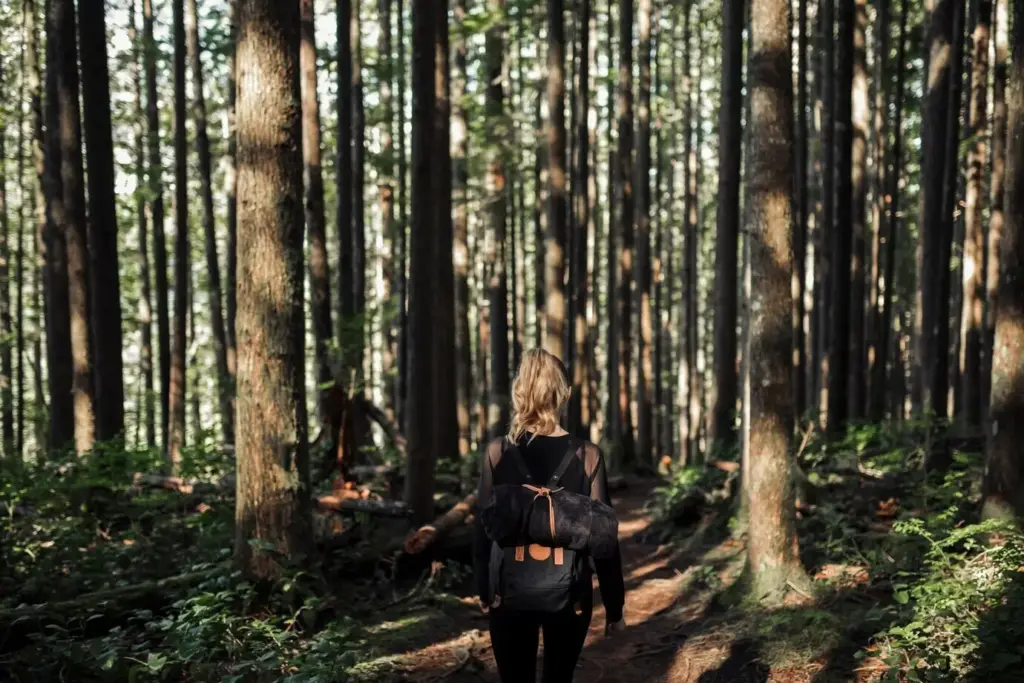
Deliberate travel rewires how maps speak. Instead of fastest lines, you trace contours that welcome a steady heart rate, sheltered breaks, and meaningful views. Planning shifts from peak bagging to savoring ridges, springs, and sun angles. Waypoints include bakeries, bothies, and benches warmed by old conversations. With time as a generous companion, every rustling larch and talus whisper becomes navigational data guiding safer choices, kinder knees, and stories that stretch beyond summit photos.
Reading Contours Like a Story
Contours compress into cliffside urgency or loosen into meadow ease; learning that language protects ankles and tempers ambition. Trace lines with a fingertip, anticipate sidehill fatigue, and link micro-shelters against the wind. A humble col at the right hour beats a famous pass under gusts. The narrative is not distance but rhythm: climb, breathe, notice, adjust. Practice on familiar maps until curves reveal texture like paragraphs revealing plot.
Timing with Weather Windows
Alpine forecasts deserve respect and redundancy. Cross-check local bulletins, sky color at dawn, and wind on the cheekbone. Fronts travel faster along high corridors; thunder makes its own arguments by early afternoon. Leave earlier than pride suggests, hold contingency time like a precious spice, and know safe retreats by heart. A graceful decision to turn back, made before exposed traverses, preserves the season and your companions’ trust better than any hurried victory.
Designing for Altitude: Space, Light, Silence
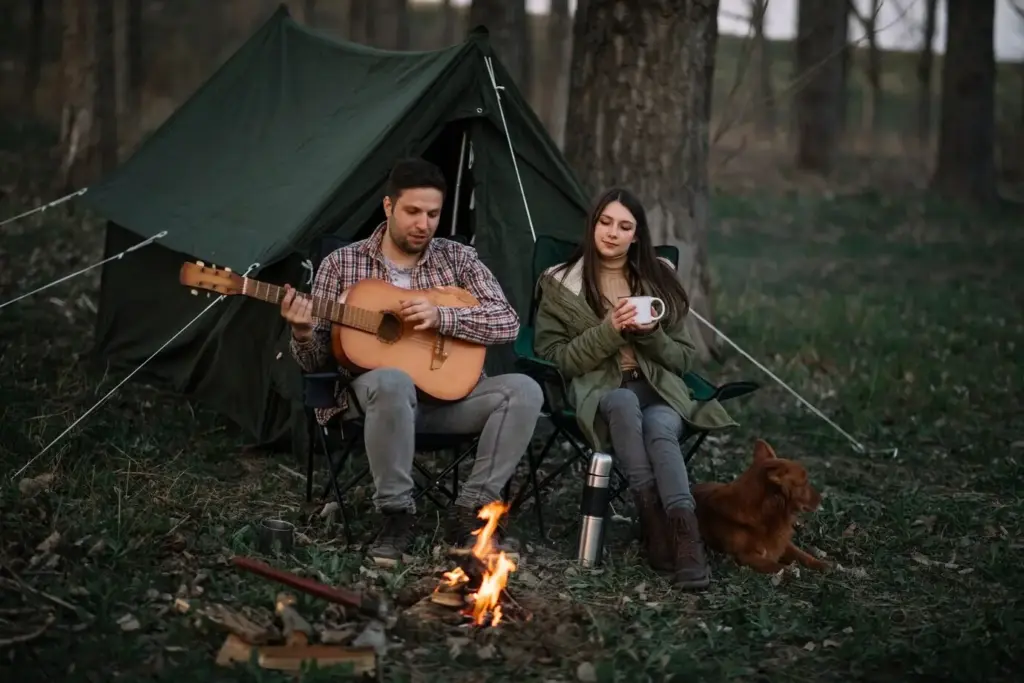
Rooms that welcome cold boots and overheated hearts favor forgiving floors, corners for drying, and windows that frame effort with gratitude. Light should travel, bouncing from pale lime to raw timber, while acoustics soften raucous returns. The best details feel inevitable: a bench catching morning sun, hooks positioned for wet layers, herbs drying above a quiet stove. When design honors recovery, every ascent becomes a conversation with rest, and departures feel earned, not rushed.
Safety, Stewardship, and the Long View
Decision-Making with Maps, Radios, and Humility
Carry redundancy: a paper map you can fold in wind, a charged radio or phone with offline layers, and companions who feel safe voicing doubt. Establish turnaround points before exposure, rehearse avalanche checks, and track energy honestly. The UIAA offers thoughtful guidance; use it, then layer local knowledge. Celebrate conservative calls as shared victories. When the mountain says “not today,” answer with gratitude, hot soup, and plans adjusted rather than pride bruised.
Leave No Trace as Daily Ritual
Principles become habits when repeated kindly: step on durable surfaces, pack out micro-trash, respect wildlife distances, and keep fires tiny, rare, and truly necessary. Soap stays far from streams; voices drop at dusk; tents tuck where grass can recover. Trail crews are unpaid teachers—join them once and you will never see erosion the same way. The lightest footprint is a practiced choreography of attention, not an afterthought added to pretty itineraries.
Glaciers, Permafrost, and Changing Lines
Routes drawn decades ago may now cross rotten seracs, widened moats, or fragile rock set free by thawing permafrost. Update guidebooks with lived observations, choose earlier starts, and pivot to safer ridges when bridges thin. Crampon practice and rope work remain essential, yet so do seasonal patience and alternative goals. Bearing witness, with notes and photos shared responsibly, transforms nostalgia into stewardship, helping communities adapt with courage rather than denial or unnecessary risk.
Human-Powered Gear, Built to Repair
Equipment that rewards deliberate movement prefers simplicity over toggles and parts that welcome a trail-side fix. Stitch counts matter, panel shapes matter, and replaceable components matter even more. When designers consider busted buckles at minus ten, users trust their kits like old friends. Ownership becomes a partnership: you maintain, the gear responds, and adventures stretch across years, not catalog cycles. Fewer items, known deeply, unlock greater range with less weight and sweeter confidence.
Stories from the Ridge: People Who Practice It
He walked tools between commissions, strapping chisels like reliquaries, pausing to swap blades at a blacksmith’s porch. By the time snow returned, a bench, a door, and three friendships were finished. He claims the ridge taught joinery: remove only what weakens the whole. His invoice included firewood stacked at each site and a warm loaf traded mid-route. Work became a pilgrimage, measured by footsteps and grain, not traffic or screens.
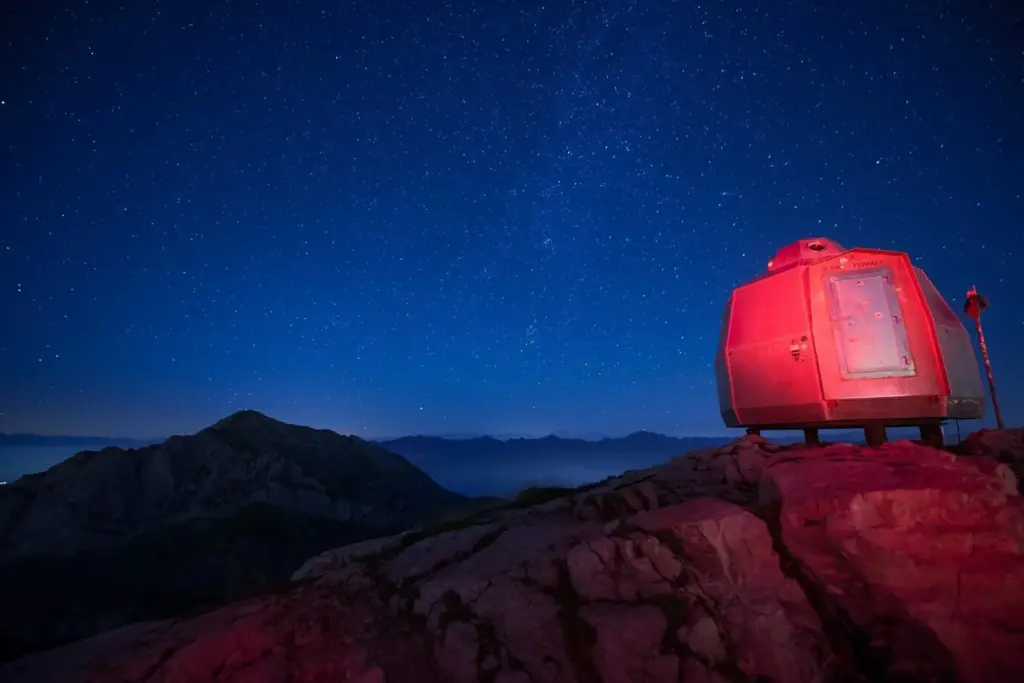
Two designers spent a still, bright night above the tree line, counting satellites and breath plumes. Morning condensed lessons into a renovation plan: fewer fixtures, thicker walls, a window moved thirty centimeters to catch alpenglow. Their client stopped asking for louder statements, began requesting longer breakfasts. The bivy bag now hangs beside their drafting table, a reminder that comfort born of restraint outlasts bravado, and that every project deserves one clear, cold rehearsal outdoors.
Chasing segments had fractured joy into numbers. After an ankle scare, she traded sprints for steady climbs, learning to read marmot warnings and granite shade instead of split times. Cakes at huts slowed more than legs; conversations with guardians rewrote courage. Months later, her endurance deepened quietly, injuries retreated, and her journal filled with sketches instead of rankings. She still runs, but now chooses loops that reward noticing and finish lines that look like dinner.
All Rights Reserved.